
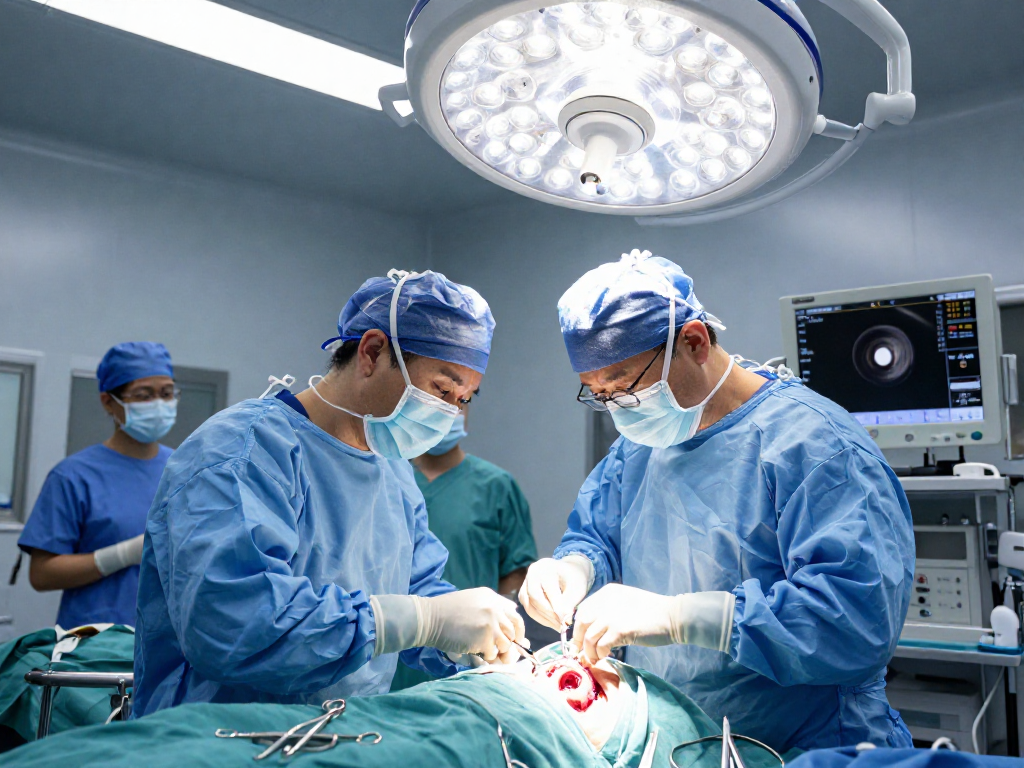
Understanding Beyin Tümörü Ameliyatı
Beyin tümörü ameliyatı is a complex and critical procedure that addresses both benign and malignant tumors in the brain. Surgery is often the most effective way to treat these tumors, and understanding the nuances of the procedure is crucial for patients and their families. This article will delve into the critical aspects of brain tumor surgery, exploring the types of tumors treated, the importance of accurate diagnosis, preoperative considerations, and what to expect during the surgical process.
For comprehensive insights on beyin tümörü ameliyatı, we will discuss various topics that are imperative to know before undergoing this significant medical intervention.
What is a Brain Tumor Surgery?
Brain tumor surgery involves the removal of tumors from the brain or surrounding areas. Depending on the type of tumor (benign or malignant), the location, and surrounding structures, the surgical approach may vary significantly. The primary goal is to remove as much of the tumor as possible while preserving vital brain function.
Types of Brain Tumors Treated
There are several types of brain tumors, each requiring different surgical strategies:
- Meningiomas: Typically benign tumors that arise from the meninges, the protective layers surrounding the brain.
- Glial Tumors: Such as Glioblastoma Multiforme (GBM), which are aggressive and malignant.
- Metastatic Tumors: Resulting from cancer that has spread from another part of the body.
The Importance of Accurate Diagnosis
Accurate diagnosis through imaging techniques such as MRI or CT scans is crucial. This ensures that the appropriate surgical plan is developed, taking into account the tumor's size, location, and type. Early and precise diagnosis facilitates timely intervention, which significantly enhances the chances of successful treatment.
Pre-Operative Considerations
Preparing for Your Surgery
Prior to brain tumor surgery, several pre-operative steps are necessary:
- Medical History Review: A thorough review of the patient’s medical history and physical examination.
- Imaging Studies: MRI or CT scans to delineate the tumor and plan the surgical approach.
- Patient Education: Understanding the procedure, risks, and what to expect post-surgery.
Assessing Risks and Benefits
As with any surgical procedure, assessing the risks and benefits of brain tumor surgery is vital. The potential risks include infection, bleeding, and neurological deficits, while the benefits can include alleviation of symptoms and increased lifespan.
Understanding Surgical Techniques
Modern neurosurgery techniques have evolved significantly, with methods such as:
- Awake Craniotomy: Enables the surgeon to monitor brain functions during surgery.
- Mikroskopik Cerrahi: Enhances visualization and minimizes damage to surrounding tissues.
- Nöronavigasyon: For precise tumor localization.
The Surgical Process Explained
Step-by-Step Overview of the Procedure
The surgical process typically involves several key steps:
- Anesthesia: General anesthesia is administered to ensure the patient is unconscious and free of pain.
- Skull Opening: A section of the skull is removed (craniotomy) to access the brain.
- Tumor Removal: The tumor is carefully excised using advanced techniques and tools.
- Closing the Skull: After tumor removal, the skull section is secured back in place.
Advanced Technology in Surgery
Advancements in surgical technologies, such as intraoperative imaging and neuronavigation, play a significant role in enhancing surgical accuracy and outcomes. These technologies allow surgeons to visualize the brain structures in real-time, improving precision during tumor removal.
What to Expect During Surgery
Patients can expect the surgery to last several hours, and will be closely monitored throughout the procedure. Post-operative monitoring in the ICU may follow to ensure recovery is proceeding smoothly.
Post-Operative Care and Recovery
Immediate Post-Surgery Monitoring
Following surgery, patients are placed under careful observation for signs of complications. Vital signs are monitored closely, and imaging studies may be repeated to assess for any issues.
Managing Recovery: Tips and Best Practices
Recovery from brain tumor surgery can vary widely among patients. Here are essential tips for a smoother recovery:
- Follow Medical Advice: Adhere strictly to the post-operative care instructions given by the surgery team.
- Adequate Rest: Ensure to get plenty of rest to aid in the healing process.
- Recognize Symptoms: Be aware of warning signs such as severe headache, nausea, or changes in neurological function.
Identifying Warning Signs After Surgery
If any unusual symptoms arise post-surgery, it's crucial to contact the healthcare provider immediately. Symptoms like persistent fever, increased drowsiness, or significant changes in vision should be addressed without delay.
Future Trends in Brain Tumor Surgery
Innovations in Neurosurgery for 2026
The landscape of neurosurgery is constantly evolving. Future trends such as robotic-assisted surgeries and enhanced imaging techniques hold the potential to further improve surgical outcomes significantly.
Long-Term Outcomes and Follow-Up Care
Long-term outcomes after brain tumor surgery depend on multiple factors, including tumor type and patient overall health. Regular follow-up care involving imaging and neurological assessments is essential for monitoring recovery and managing any recurring issues.
The Role of Multidisciplinary Teams in Treatment
A multidisciplinary approach, involving neurosurgeons, oncologists, radiologists, and rehabilitation specialists, is crucial in optimizing patient care and ensuring comprehensive treatment planning.
What Rehabilitation Looks Like After Surgery?
Post-operative rehabilitation may include physical therapy, occupational therapy, and cognitive rehabilitation, aiming to help patients regain their functionality and independence.
How Will Advances in Technology Improve Surgical Outcomes?
As technology continues to advance, the ability to perform surgeries with greater precision and minimal invasiveness will likely lead to better patient outcomes, shorter recovery times, and improved quality of life.. Additionally, beyin tümörü ameliyatı provides further details.